Darknet Markets 2026:
The dark web is part of the deep web but is built on darknets: overlay networks that sit on the internet but which can't be accessed without special tools or software like Tor. Tor is an anonymizing software tool that stands for The Onion Router — you can use the Tor network via Tor Browser.
| Darknet Market | Established | Total Listings | Link |
|---|---|---|---|
| TorZon Market | 2022 | 140+ | Onion Link |
| Nexus Market | 2024 | 600+ | Onion Link |
| Abacus Market | 2022 | 100+ | Onion Link |
| Ares | 2026 | 100+ | Onion Link |
| Cocorico | 2023 | 110+ | Onion Link |
Updated 2026-10-13
Easy Access to the Best Darknet Markets
Accessing a darknet market begins with a reliable link, which serves as the secure gateway to a diverse ecosystem of goods and services. These links are not indexed by traditional search engines and require specific software, such as the Tor browser, to function. The primary function of a direct link is to establish an encrypted connection to the market's server, ensuring that a user's activity and identity remain confidential from network observers.
Finding a current and legitimate link is a critical first step, as markets frequently change their addresses to maintain operational security and prevent unauthorized access. Users typically rely on community-driven agora forums and specialized link directories that are regularly updated by trusted members. These resources provide verified URLs and often include user feedback on the status and performance of each market, helping to avoid phishing sites that mimic legitimate platforms to steal credentials.
Once a verified link is obtained, the market's interface presents a structured environment for commerce. The best markets feature a clear layout with advanced search functions and filtering options, allowing users to efficiently navigate extensive catalogs. This organization is fundamental to a positive user experience, enabling the quick location of specific items or trusted vendors based on detailed criteria.
How Privacy Tools Keep Darknet Trade Safe
The foundation of secure transactions on darknet markets is the robust anonymity and encryption that protects all participants. This system operates on multiple levels, starting with the user's connection. The Tor network obscures a user's IP address and physical location by routing internet traffic through a series of volunteer-operated servers, making it extremely difficult to trace activity back to its source.
Once connected to a market, end-to-end encryption (E2EE) ensures that all communications between a buyer and a vendor remain private. This means that messages containing order details, shipping addresses, or any other sensitive information are scrambled and can only be deciphered by the intended recipient, preventing interception by third parties.
For financial privacy, cryptocurrencies like Monero (XMR) and Bitcoin (BTC) are used. These digital currencies facilitate pseudonymous payments, where wallet addresses do not directly reveal the identity of the owner. Monero offers enhanced privacy features by obfuscating transaction details on its blockchain by default, providing a stronger layer of financial anonymity compared to transparent cryptocurrencies.
This combination of network anonymity, communication encryption, and financial obfuscation creates a secure environment where users can engage in commerce with a significantly reduced risk of exposure, fostering a climate of trust and safety for all transactions.
Private and Secure Shopping with Crypto on the Darknet
The adoption of cryptocurrency is the fundamental mechanism that enables secure and private transactions on darknet markets. Unlike traditional payment systems, cryptocurrencies like Monero and Bitcoin operate on decentralized networks, which means payments do not require the disclosure of personal identifying information. This provides a significant layer of financial privacy for both buyers and vendors.
Transactions are recorded on a public ledger, but they are tied to cryptographic addresses rather than real-world identities. To further enhance security, users employ wallets that are not linked to any personal documentation. The process involves:
- Funding a private wallet from an exchange.
- Transferring the exact amount to the market's escrow system.
- Releasing the funds only after the product has been received and verified.
This financial model effectively eliminates the risk of chargebacks or payment fraud, creating a stable economic environment. The irreversible nature of blockchain transactions ensures that vendors receive payment for their goods, while the escrow service protects buyers from dishonest vendors, establishing a balanced system of trust and efficiency.

Find Trusted Vendors with User Reviews
Vendor ratings are a core component of the darknet economy, providing a transparent and user-driven system for identifying reliable sellers. These systems function through detailed feedback left by buyers after a transaction is completed, covering specific aspects of the experience.
Reviews typically include data points on product quality, matching the advertisement's description, the speed and stealth of shipping, and the vendor's communication responsiveness. A vendor with a long history of positive feedback and a high transaction count builds a strong trust level within the community. This accumulated reputation acts as a powerful incentive for vendors to maintain high standards, as their business viability depends directly on their rating.
New buyers are advised to prioritize vendors who have established this proven track record. The review system effectively mitigates risk by allowing users to make informed decisions based on the collective experience of previous customers, ensuring a safer and more predictable purchasing process.
Escrow Protects Your Darknet Purchases
Escrow services are a fundamental component of secure transactions on darknet markets, acting as a trusted third party that temporarily holds a buyer's cryptocurrency. This system ensures that funds are only released to the vendor once the buyer confirms satisfactory receipt of the product. It effectively mitigates the risk of fraud by preventing vendors from accepting payment without delivering the goods. The process begins automatically upon order placement, with coins moving from the buyer's market wallet into the secured escrow account.
For a transaction to be completed successfully, the buyer must finalize the order, which triggers the release of funds to the vendor. In cases of dispute, where a product is not received or does not match its description, the escrow system allows the buyer to open a ticket. Market moderators then review the evidence provided by both parties before adjudicating the release or refund of the escrowed funds. This mechanism provides a critical layer of buyer protection and fosters a high-trust environment, encouraging commerce by reducing the inherent risks associated with anonymous online marketplaces.
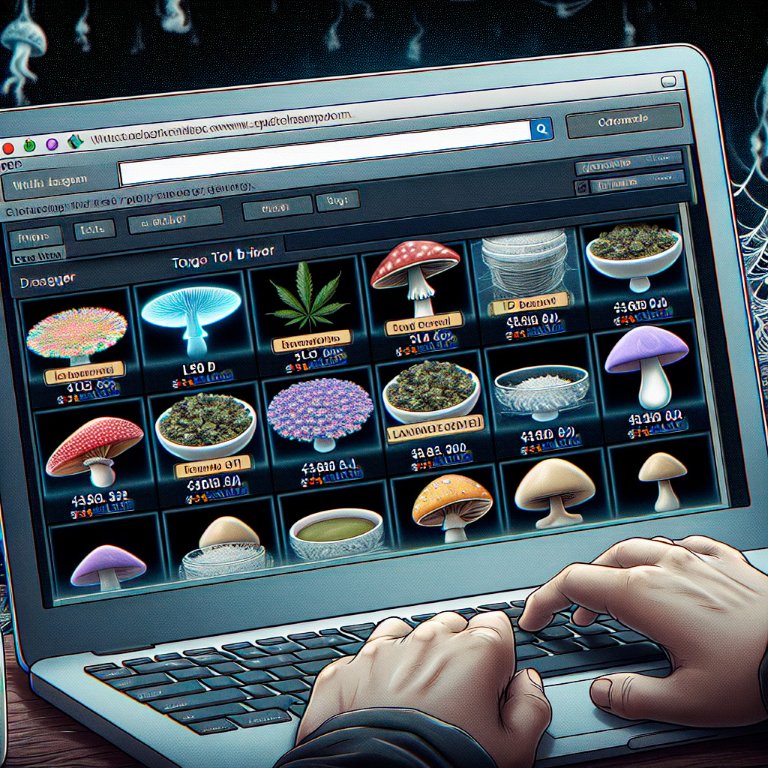
How Darknet Markets Build Trust and Safety
The darknet economy thrives on a foundation of user-driven systems that prioritize security and mutual benefit. This self-regulating environment ensures market integrity through collective input and sophisticated feedback mechanisms.
Vendor ratings and detailed reviews form the cornerstone of trust. Buyers meticulously document their experiences with product quality, shipping speed, and communication, creating a transparent and reliable reputation system for each seller. This collective intelligence allows new users to identify trusted vendors with proven track records, significantly reducing the risk of fraudulent transactions.
Escrow services are fundamental to secure transactions. Funds are held by the market platform until the buyer confirms satisfactory receipt of the goods. This system protects buyers from vendors who might not deliver while simultaneously assuring vendors that payment is secured before shipping. The release of funds is contingent upon successful completion of the trade, aligning the interests of all parties involved.
Dispute resolution modules provide a formalized process for addressing issues. If a transaction does not proceed as expected, neutral market moderators can review evidence from both the buyer and vendor to make a binding judgment on the escrow funds. This structured approach to conflict resolution upholds fairness and reinforces the market's stability, ensuring that all participants are accountable to the community's standards.
How Dispute Resolution Builds Trust on Darknet Markets
Dispute resolution systems are a fundamental component of darknet markets, providing a structured mechanism to address transactional disagreements without external arbitration. These systems function as an internal judiciary, ensuring that both vendor and buyer interests are protected to maintain platform integrity. When a transaction does not proceed as expectedsuch as a product not arriving or not matching its descriptionthe buyer can formally open a dispute. This action places the transaction's funds, held in escrow, into a locked state, preventing the vendor from finalizing the sale prematurely.
A neutral third-party moderator, typically a market administrator, is then assigned to review the case. Both parties present their evidence; the buyer provides proof of payment and any communication, while the vendor can supply tracking information or other relevant details. The moderator's analysis of this evidence determines the fair outcome, which usually results in a full or partial refund to the buyer or a full release of funds to the vendor. This process effectively replaces the chargeback mechanisms found on the clearnet, creating a self-regulating economy built on enforced trust. The consistent and transparent application of these rules is what allows users to confidently engage in commerce, knowing that a reliable framework exists to rectify issues and penalize bad actors, thereby elevating the overall security and reputation of the entire marketplace.